Case study · Volvo · AKQA
The upgraded Volvo dealership experience
The challenge
Most customers spend 60 to 90 minutes onboarding to their new vehicle, after hours of negotiating prices and features.
It's time that both the dealer and customer would rather spend doing something else. As UX Design Director on the Volvo account at AKQA, I led the effort to reimagine the automotive customer journey, starting with a tool to alleviate delivery issues for retailers and customers alike.
We created an experience that lets each delivery feel personal, with customers choosing what they want to learn about ahead of time. We rethought how that content is typically organized and arrived at a concept as useful to retailers as it is to customers.
Pain points
Why deliveries fall flat
Time
Customers spend 60 to 90 minutes being onboarded, and as vehicle technology evolves, that time is likely to grow.
Mindset
After a long sales process, customers aren't ready to retain lengthy onboarding. They simply want to enjoy their new car and drive off.
Incentive
Dealers have little motivation to be thorough, skipping features with more incentive to sell to the next customer.
Research
Weeks on the dealership floor
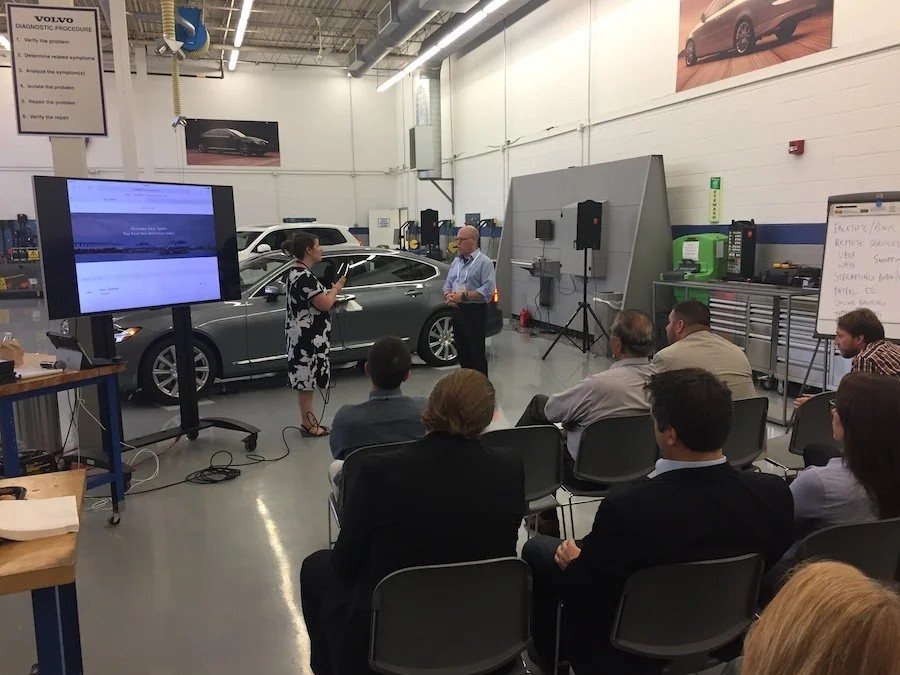
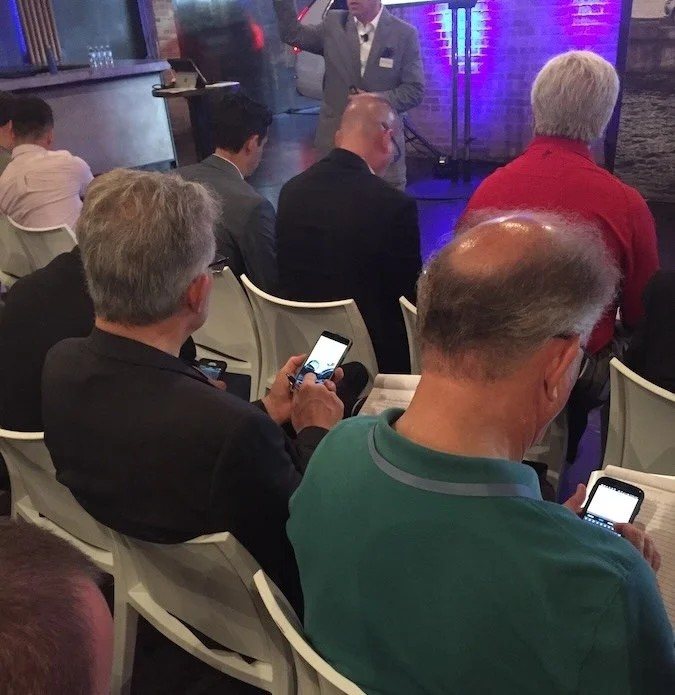
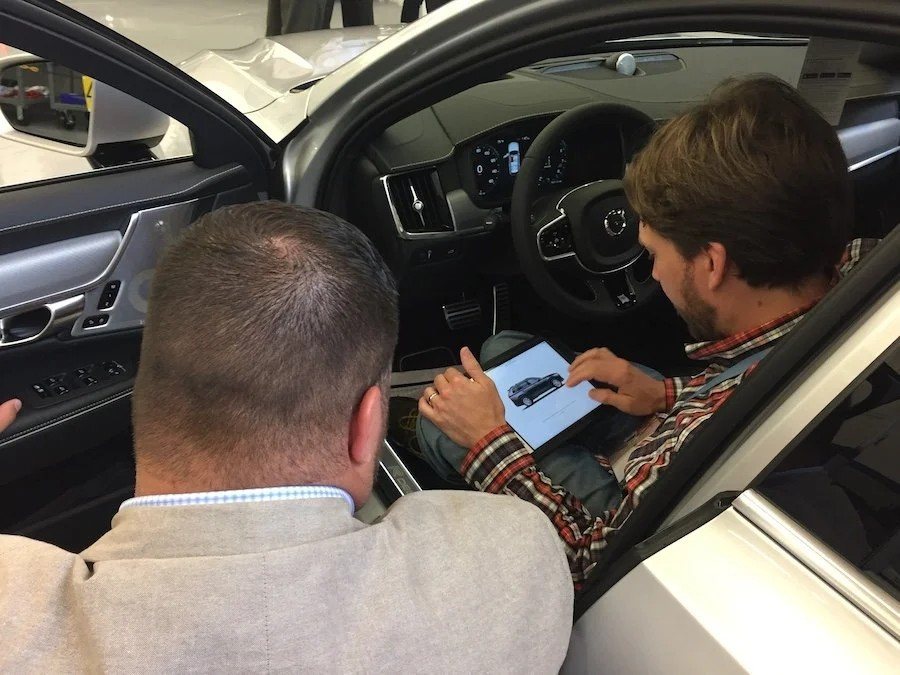
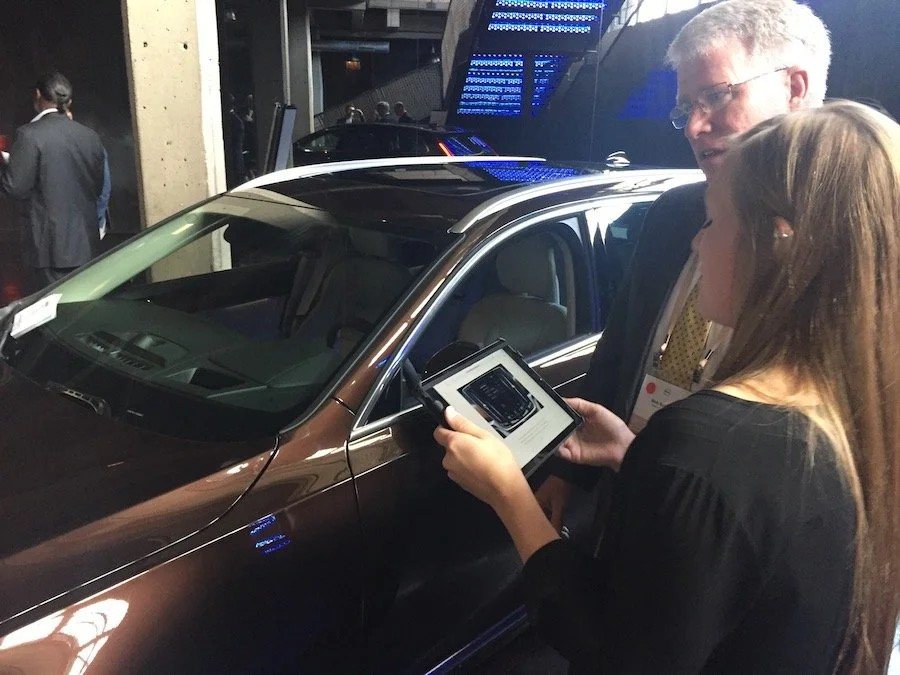
We observed and interrogated the current experience with sales associates, floor managers and general managers, and spoke to customers who had recently bought a Volvo. I led the team's product vision and defined the experience for both retailers and customers, testing it repeatedly with each.
The big idea
A shopping cart, priced in time.
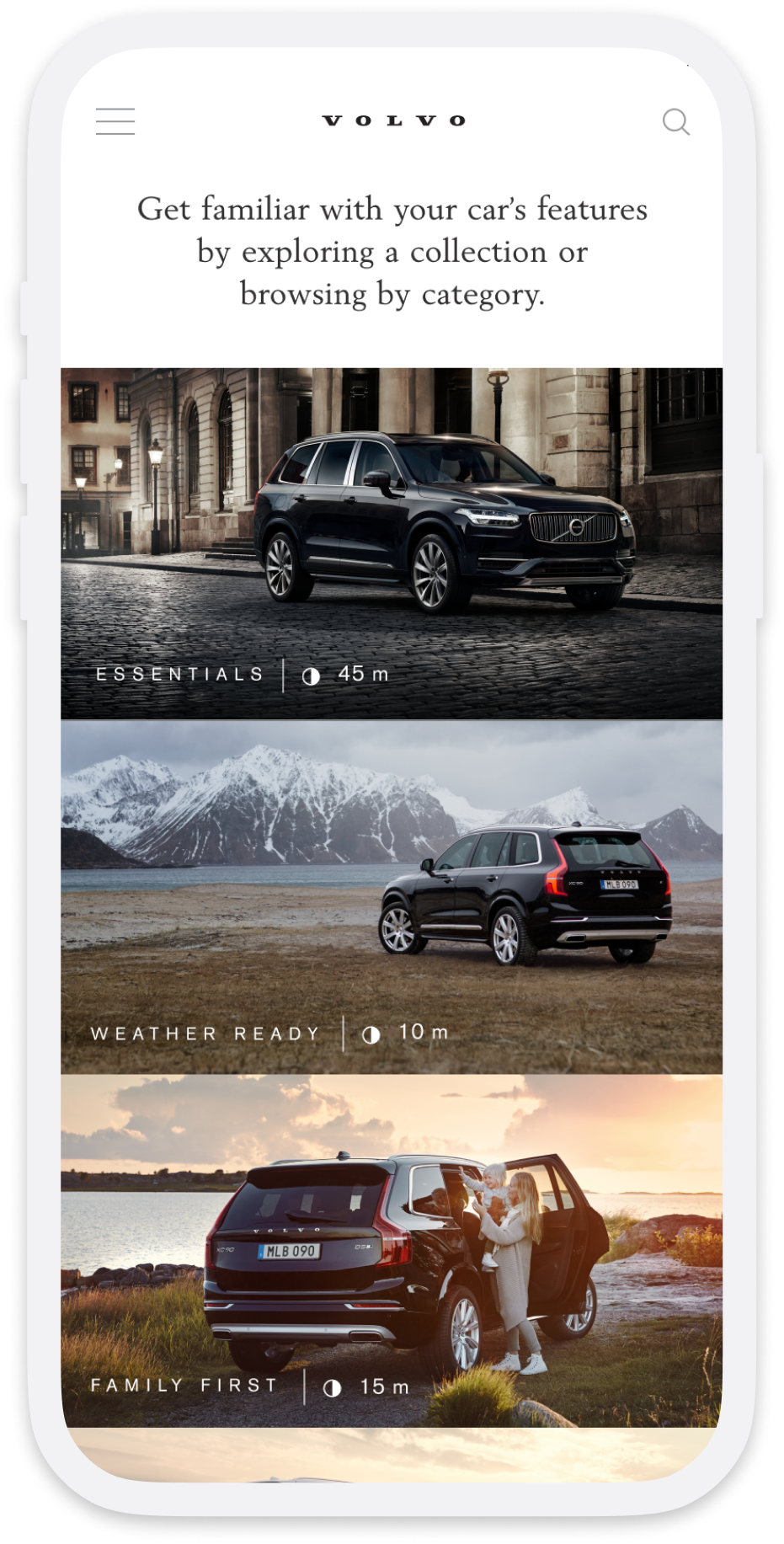
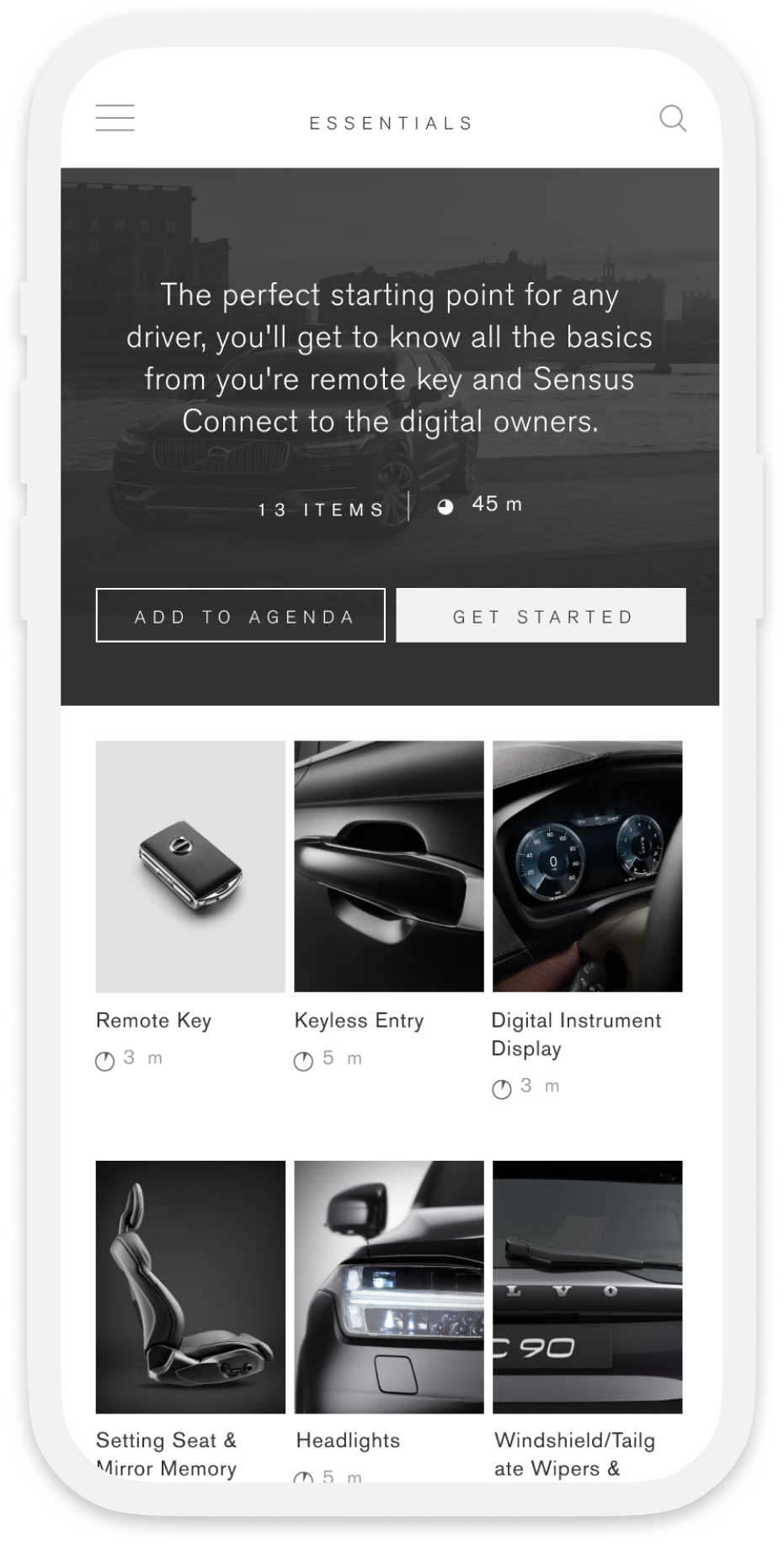
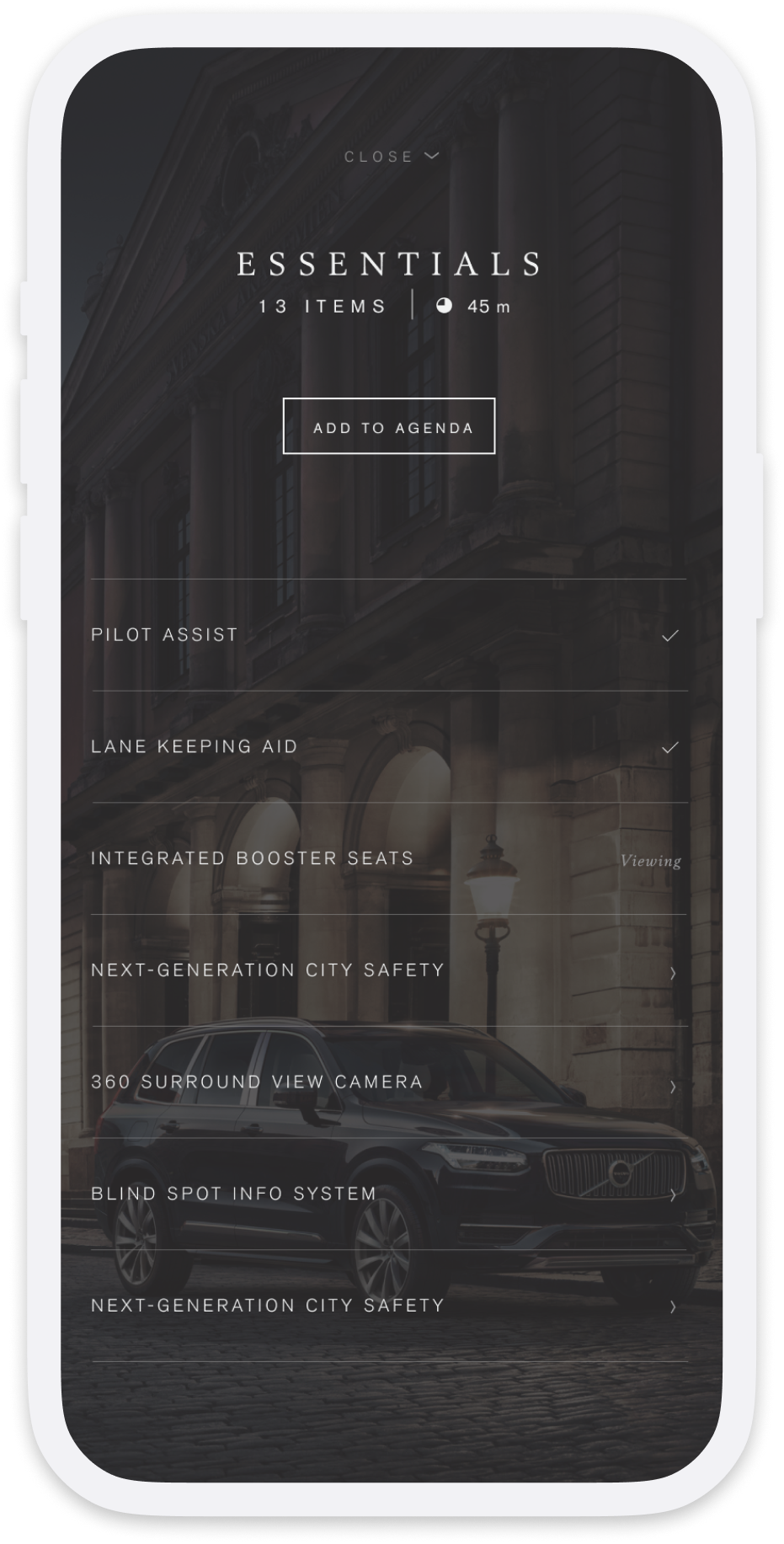
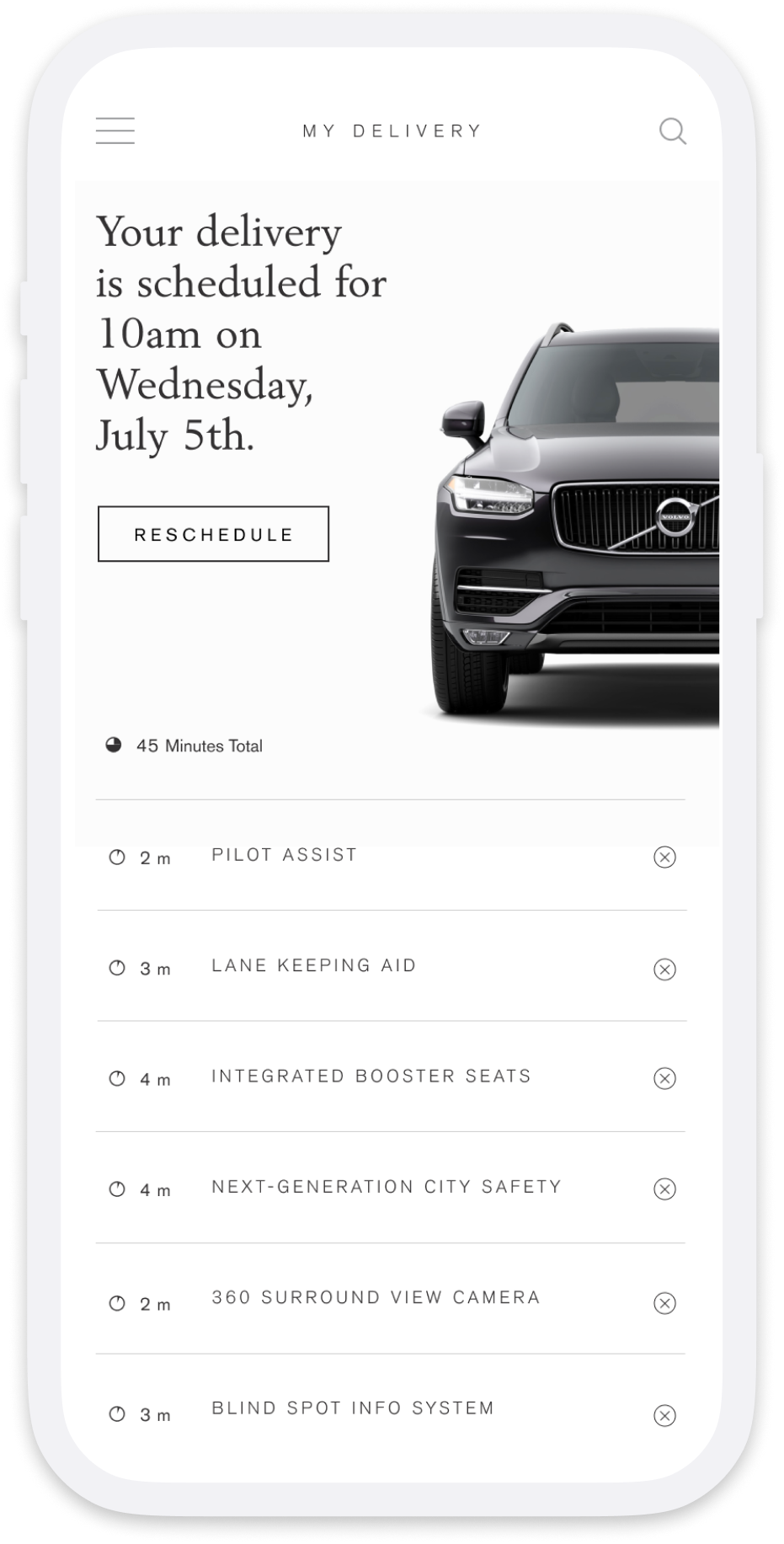
After weeks in dealerships with customers and salespeople, we struck upon an idea: let customers fill a cart with the features they want to learn about, each with a price of time instead of dollars. They decide what matters, and see exactly how long their delivery will take before they arrive.
The cart became known as The Agenda.
Your delivery agenda
XC90 T6- Keyless entry4 min
- Seat & mirror memory6 min
- Pilot Assist12 min
- Sensus Connect overview10 min
- Headlights & rain sensor5 min
- Tailgate & wipers3 min
Customer experience
The Agenda
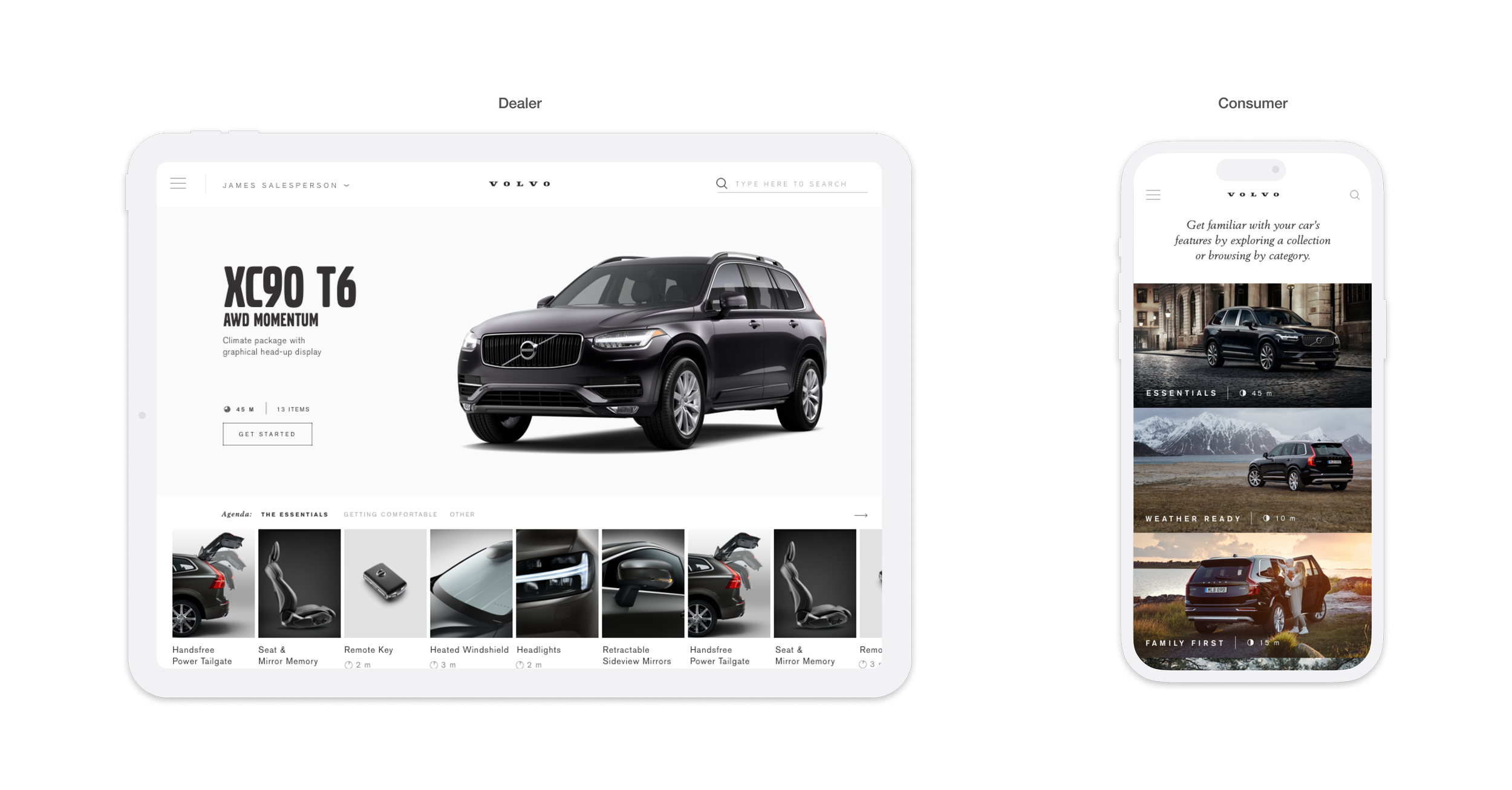
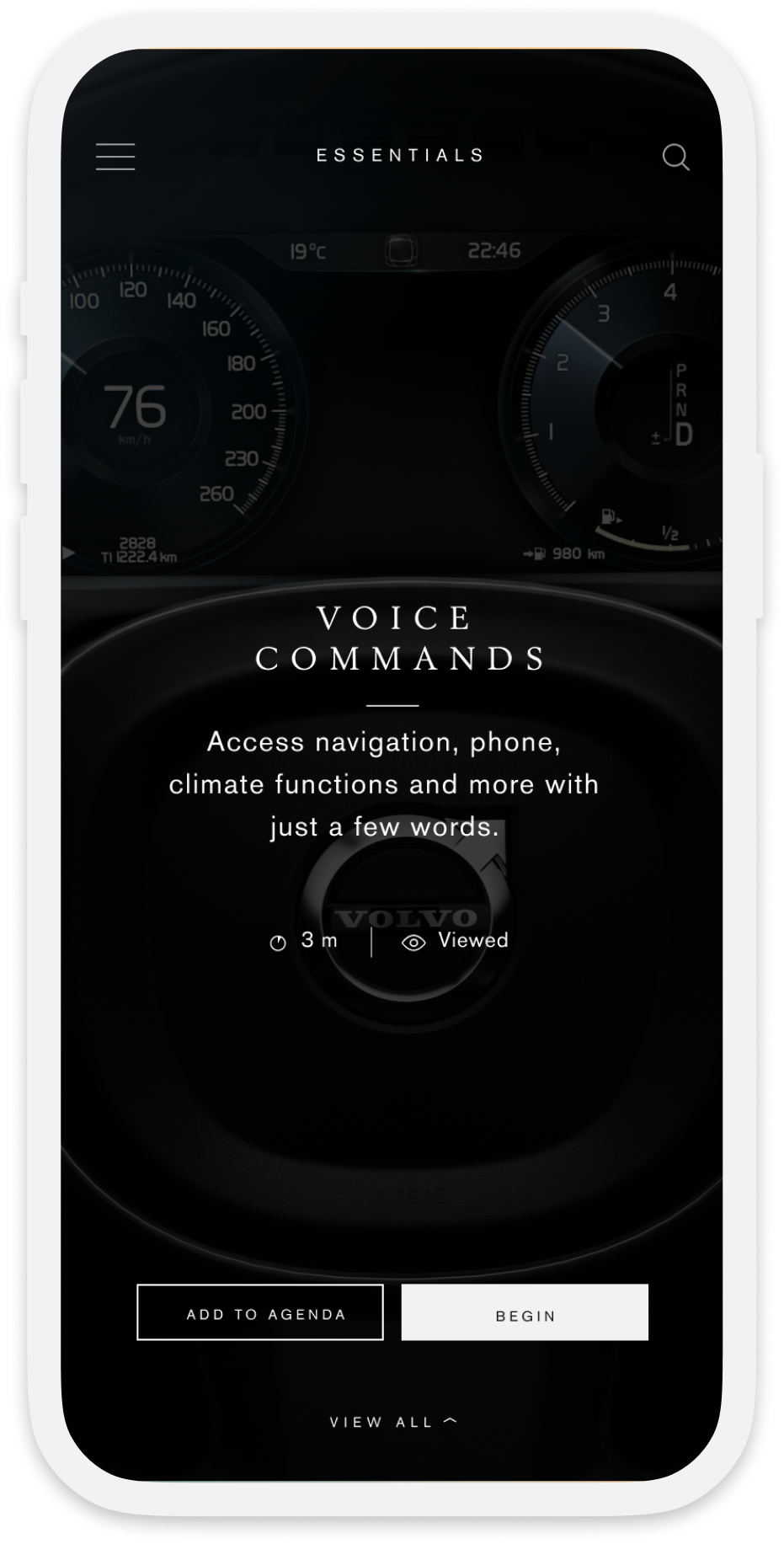
The Agenda put the customer in control: browse features, add what matters, and watch the estimated onboarding time update in real time. Transparency into exactly what to expect, before they ever arrive at the dealership.
Dealer experience
Back to selling, faster
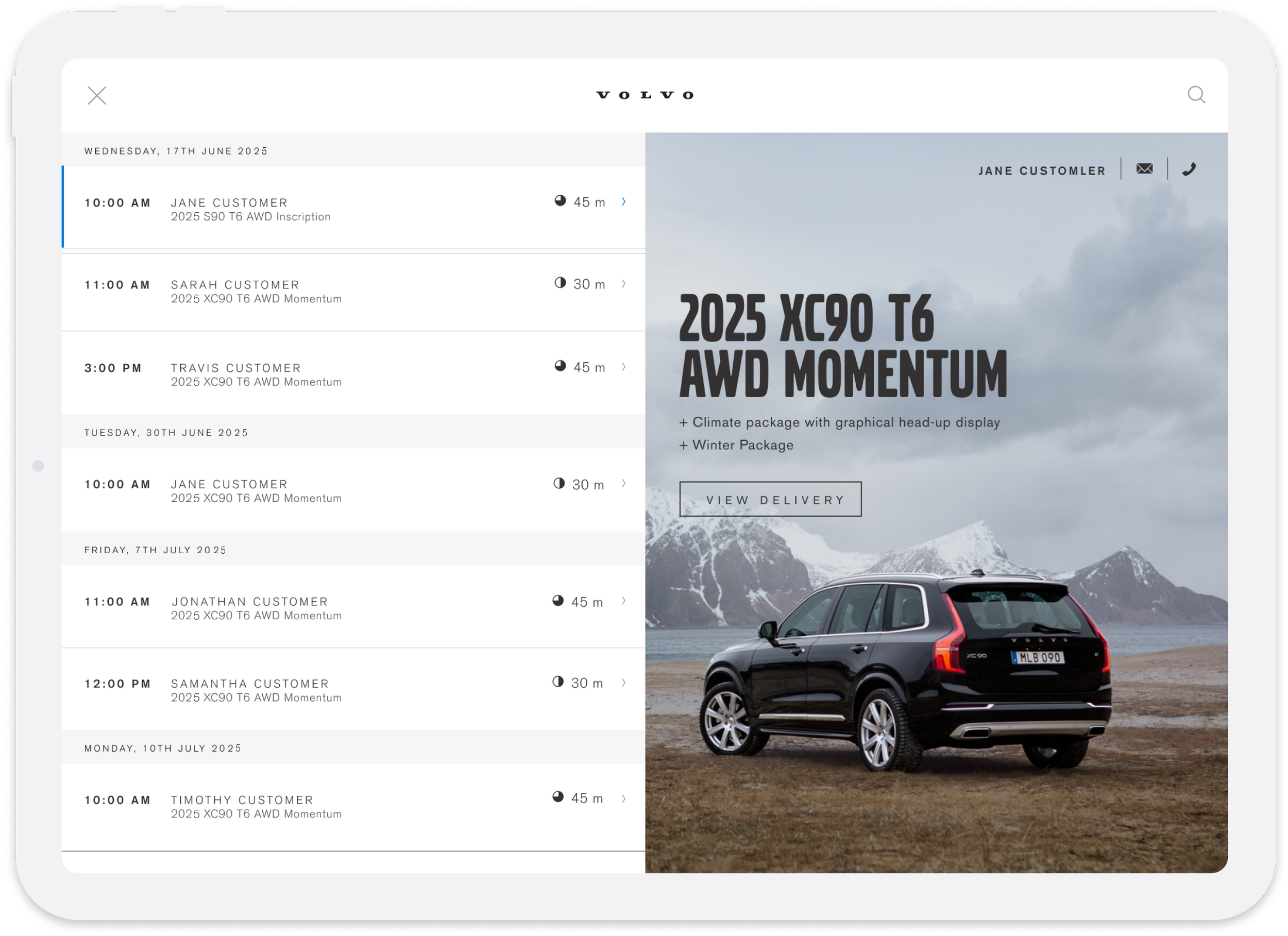
Dealers wanted to know which deliveries were coming up, which features each customer wanted to review, and how quickly they could get back to selling. The dealer tool did exactly that, and became an aid for demonstrating features too.
Next case study
Bond